How to Create an Outdoor Art & Sculpture Garden at Home
A single well-placed sculpture can change the way an entire outdoor room feels, turning a patio or desert garden into something closer to a private gallery than a backyard. In Scot...

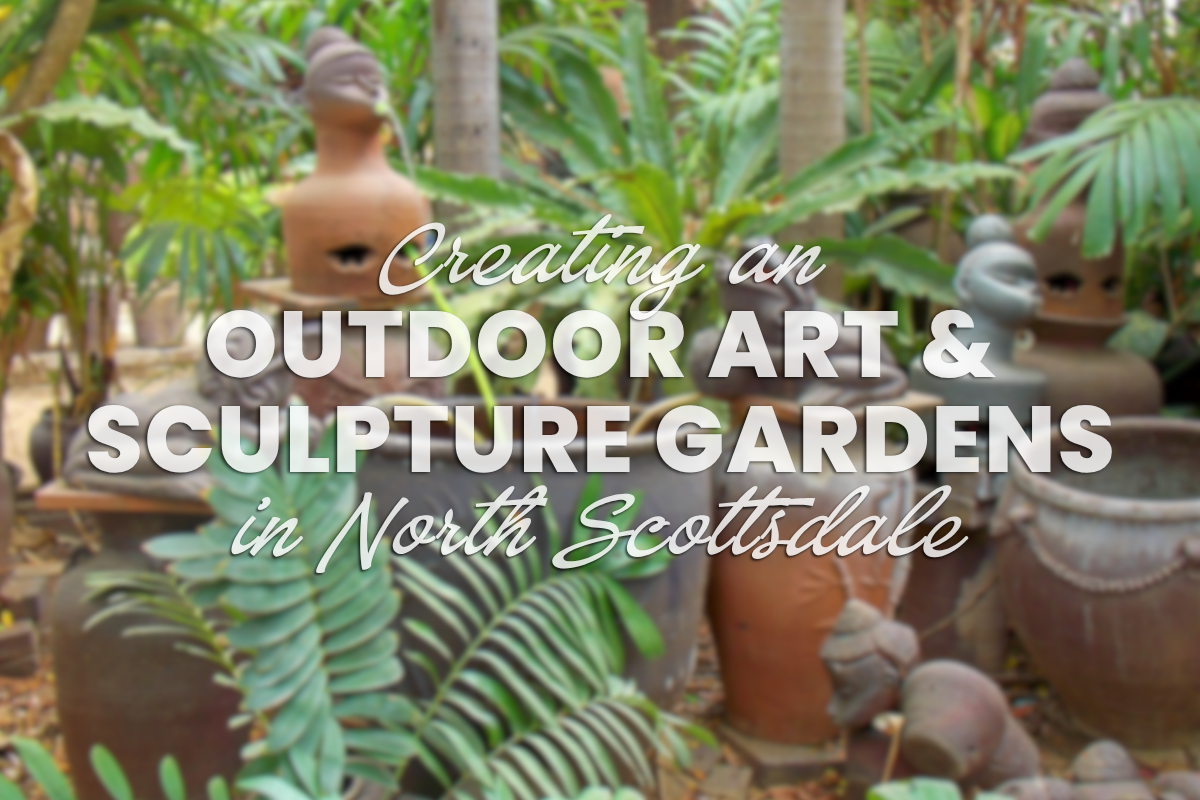
North Scottsdale · Community Photo
A single well-placed sculpture can change the way an entire outdoor room feels, turning a patio or desert garden into something closer to a private gallery than a backyard. In Scottsdale, where indoor and outdoor living blur together for most of the year, sculpture has become one of the most distinctive ways homeowners express their taste and shape how a space is experienced.
Start With the Space, Not the Sculpture
Before selecting a piece, it helps to assess the site the way a curator would assess a gallery wall. Consider the sightlines from the home's interior, the patio, and the entry sequence, since a sculpture is often seen from multiple vantage points before it is seen up close. The scale of the surrounding landscape matters as much as the scale of the piece itself, as an oversized sculpture can overwhelm a modest courtyard while a delicate piece can disappear into an expansive desert lot.
Choosing a Piece That Fits the Setting
Material choice carries particular weight in a desert climate. Bronze and weathering steel develop rich patinas under intense sun, while limestone and cast stone soften over time in a way that suits a naturalistic landscape. A contemporary home tends to favor abstract or geometric forms, while a piece with organic, sinuous lines often reads as a more natural extension of desert plantings like saguaro and ocotillo.
Placement That Creates a Sense of Discovery
The most memorable sculpture gardens rarely reveal every piece at once. Positioning a sculpture just beyond a bend in a path, or at the terminus of a long sightline across a lawn, creates a moment of arrival rather than a static display. Smaller works benefit from being tucked among plantings for a visitor to encounter on a stroll, while a larger anchor piece works best in an open area where its form can be appreciated from a distance and up close.
Composing a Collection Over Time
Few homeowners build a sculpture garden in a single season. Many begin with one anchor piece and add selectively, paying attention to how new works relate to existing ones in material, scale, and tone. Leaving generous space between pieces allows each to be appreciated on its own rather than competing for attention, and varying heights and forms across a garden adds rhythm without creating visual clutter.
Living With Outdoor Art Year-Round
Scottsdale's intense sun and occasional monsoon storms make material durability a practical consideration alongside aesthetics. Metal and stone pieces generally withstand the desert climate with minimal upkeep, while placement near irrigation lines or drainage paths should be avoided to protect a piece's finish over time. Lighting designed to graze or silhouette a sculpture after dark extends its presence well past sunset, which is when many Scottsdale gardens come alive.
A Growing Source of Inspiration
For homeowners looking to go deeper, the International Sculpture Center maintains an extensive resource library covering sculpture parks, gardens, and public art around the world, offering a useful starting point for anyone building a collection of their own. Local galleries and the region's public art walks also provide a chance to see how scale and placement play out in real settings before committing to a piece.